
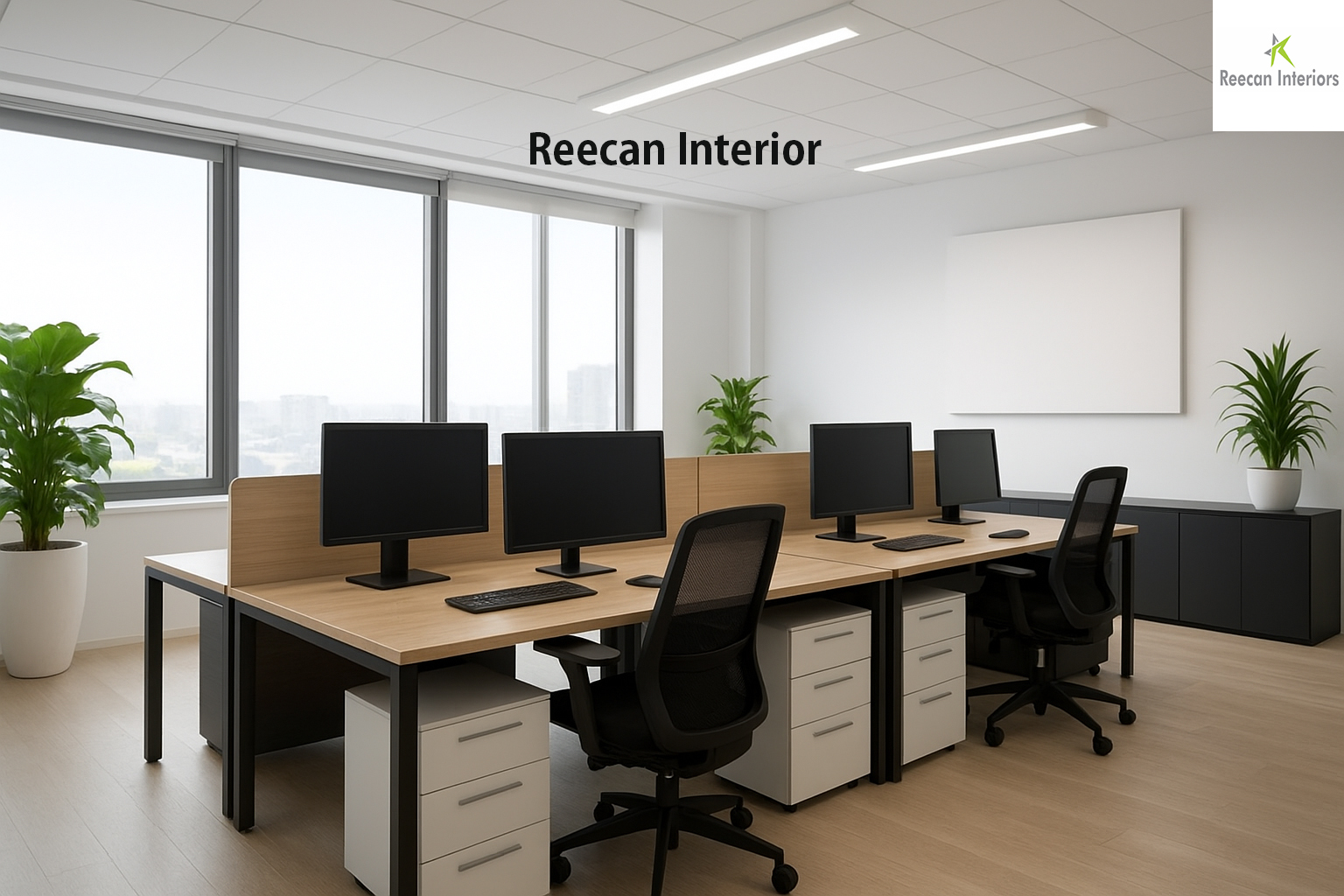
The Role of Ergonomics in Modern Office Interiors: Designing for Comfort and Productivity
Ergonomics is the study of how people interact with their work environment in a way that feels natural, safe, and comfortable. In modern office interior in Gurgaon, ergonomics plays a vital role in improving employee health, comfort, and overall productivity. Thoughtfully designed workspaces help reduce physical strain and create an environment where employees can perform at their best.
Office ergonomics focuses on building healthier workplaces by paying attention to details such as chair height, desk positioning, screen placement, and spacing between equipment. When employees are able to maintain a natural posture and move comfortably throughout the day, it reduces fatigue and the risk of work-related discomfort or injury.
Commercial office interior designers apply ergonomic principles to ensure that workspaces support the body rather than strain it. This not only improves focus and efficiency but also leads to greater job satisfaction and long-term well-being.
Key Ergonomic Elements in Office Design
1. Ergonomic Desks
An ergonomic desk is designed to support proper posture and comfort throughout the workday. It helps reduce strain on the back, neck, and shoulders while allowing employees to work more efficiently.
Height-adjustable desks are especially beneficial, as they allow employees to alternate between sitting and standing. This improves blood circulation, reduces prolonged sitting, and supports better overall health. Thoughtful desk design, combined with smart storage and calming color choices, creates a workspace that feels organized and comfortable.
2. Ergonomic Chairs
Ergonomic chairs are designed to support the natural curve of the spine and prevent slouching. Adjustable features allow the chair to fit individual body types and work habits.
Well-designed chairs provide proper cushioning for the hips, reduce pressure points, and support longer sitting periods without discomfort. Keeping the knees at a comfortable angle and feet flat on the floor helps improve circulation and reduces fatigue during long working hours.
3. Proper Lighting
Lighting has a direct impact on comfort and concentration. Poor lighting can cause eye strain, headaches, and reduced focus, while well-planned lighting improves visibility and mood.
Balanced lighting—combining natural daylight with soft artificial sources—creates a pleasant working environment. Good lighting not only supports productivity but also makes employees feel more comfortable and valued in their workspace.
4. Layouts That Encourage Movement
Office layout plays a key role in ergonomics. A well-planned layout allows easy movement, reduces unnecessary walking distances, and improves communication between teams.
Modern office designs favor flexible layouts that encourage movement and support healthy posture. Furniture that allows adjustment and reconfiguration helps offices adapt to future needs while keeping employee comfort at the center.
Benefits of Ergonomic Office Design
Improved Comfort: Adjustable furniture allows employees to personalize their workspace, reducing fatigue and discomfort.
Higher Productivity: When physical strain is minimized, employees can focus better and work more efficiently.
Better Morale: A comfortable workspace increases job satisfaction and helps employees feel cared for.
Reduced Absenteeism: Ergonomic design helps prevent aches, pains, and injuries, leading to fewer sick days.
Long-Term Cost Savings: Investing in ergonomic solutions reduces injury-related expenses and improves overall efficiency.
Practical Tips for Creating an Ergonomic Office
To design an ergonomic workspace, it’s important to assess how employees work and identify areas that may cause discomfort. Observing daily tasks and understanding employee needs helps prioritize improvements.
Choose a supportive ergonomic chair: A good chair should support the spine, offer adjustable height and lumbar support, and allow feet to rest flat on the floor. This improves posture, reduces back and neck pain, and supports better circulation.
Use desks at the correct height: Desks should allow comfortable keyboard and screen placement. Height-adjustable desks that support both sitting and standing positions encourage movement and reduce physical strain.
Select ergonomic keyboards and accessories: Ergonomic keyboards and accessories reduce wrist and hand strain, improve typing comfort, and help prevent repetitive stress injuries.
Conclusion
Ergonomics plays a crucial role in creating office environments where employees feel comfortable, motivated, and supported. A workspace designed with ergonomics in mind helps improve productivity, reduce fatigue, and enhance overall job satisfaction.
When employees experience less physical discomfort, they are more engaged, focused, and efficient. This leads to better work quality, fewer absences, and stronger team morale. Companies that invest in ergonomic office interiors show a clear commitment to employee well-being, benefiting both the workforce and the business in the long run.
also read : https://reecaninterios.webflow.io/blog/common-office-interior-design-mistakes-to-avoid