Walk into most traditional corporate interior offices, and what do you feel? Often, it's a sense of… neutrality. Beige walls, grey cubicles, fluorescent lighting. It’s safe, inoffensive, and utterly forgettable. For decades, this was the standard. The office was seen as a cost center, a necessary container for people and computers.
But a profound shift is underway. Forward-thinking executives now see their corporate interior not as an overhead expense, but as a powerful strategic asset. It’s a silent partner that works 24/7 to influence your bottom line. It speaks volumes to clients about who you are and shouts to employees that they are valued.
This is the new era of corporate interior design. It’s not about decoration; it’s about designing for human experience and business outcomes.
The High Cost of a Generic Workspace
Ignoring your office environment has tangible, negative consequences:
The Talent Drain: In a competitive market, top performers have options. A dull, uninspiring workspace signals a stagnant culture. They will choose the company that offers an environment which energizes and supports them.
The Productivity Dip: Poor lighting, bad acoustics, and a lack of varied spaces hamper focus and make collaboration a chore. Employees waste mental energy fighting their environment instead of applying it to their work.
The Brand Disconnect: Your space is the physical embodiment of your brand. If your website and marketing say "innovative and creative," but your office feels like a government building from the 1990s, clients experience cognitive dissonance. It erodes trust.
The Pillars of a Strategic Corporate Interior
So, what does a strategic design partner focus on? It goes far deeper than aesthetics.
1. Culture Coding: Your values should be visible the moment someone walks in. Is collaboration your mantra? Then an open, fluid layout with plenty of team huddle spaces is essential. Is precision and focus key? Then sound-masked focus rooms and library-like quiet zones take priority. A great designer interviews your team and translates your abstract culture into a tangible, functional plan.
2. The Human-Centric Hub: Employees are your most valuable asset. The modern corporate interior is designed first for their well-being and effectiveness.
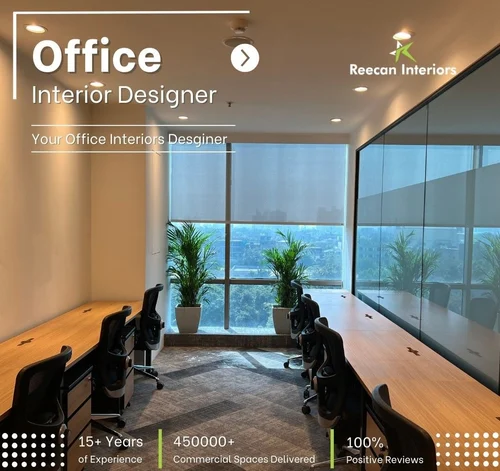
Biophilia: Integrating plants, natural light, and materials like wood and stone reduces stress, boosts creativity, and improves air quality.
Ergonomics 2.0: It’s more than a good chair. It’s sit-stand desks, anti-fatigue flooring, and designing for movement throughout the day.
Acoustic Control: Strategic use of sound-absorbing panels, carpets, and partitions ensures that collaborative energy doesn’t become distracting noise.
3. Agile & Adaptive Design: Business needs change. A successful design is flexible enough to change with them. This means:
Modular Furniture: Movable partitions, lightweight desks, and reconfigurable seating allow teams to reshape their environment without a major renovation.
Technology Integration: Seamless, wireless connectivity is the backbone. Power and data are accessible from anywhere, supporting a mobile, flexible workforce.
Scalable Plans: A good design plan includes a roadmap for growth, allowing the space to evolve as the company scales up or shifts direction.
4. The Branded Experience: Every touchpoint, from the reception area to the boardroom to the café, is an opportunity to reinforce your brand story. This isn’t about slapping a logo on every wall. It’s about using your brand’s colour palette thoughtfully, displaying your products or history in engaging ways, and creating a sensory experience that feels authentically you.